
The next-gen
merch agency.
When intelligence becomes abundant,
what becomes valuable?
We’ve been
here before.
We grew up hunting for information.
Now we’re drowning in it.
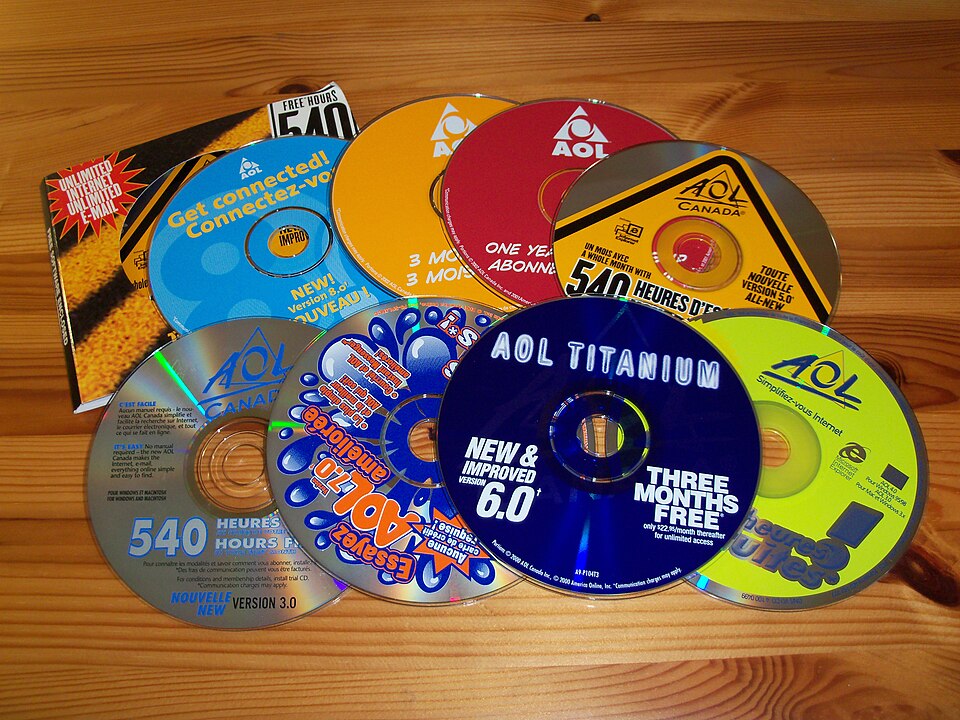
The internet made information abundant. Now AI is starting to do the same for intelligence and the work it can do.
Ask a question. Get an answer.
Ask a question. Get help finding, summarizing or explaining something. You still have to put the answer to work.
I co-founded Imprint Engine in 2012 and later co-founded MerchAI, an AI research project for the merchandise industry. I spend a lot of time thinking about where this business goes next.
Imagine waking up
to decisions.
“We’re onboarding 5,000 people globally. We want it to feel meaningful. Here’s the budget. Show us what you would do.”
Start with the outcome
5,000 people. Around the world. One first impression.
The client wants more than a box of merchandise. They want people to feel welcome.
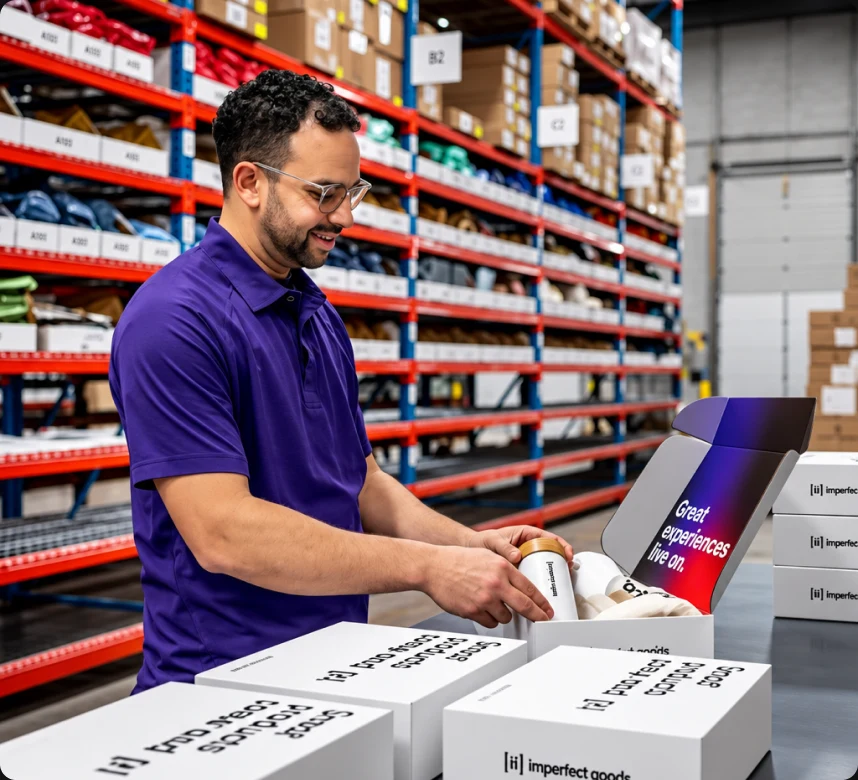
An example of how an agent could handle the work. No orders are placed.
You walk in to make decisions.
What will AI
never replace?
Relationships. Creativity. Judgment. Empathy.
Before you settle on an answer, turn the question around.
Choose a claim to test
1 of 5 · Knowledge
What has this customer already told you?
Know the customer, their preferences and the commitments already made.
Machines can make
recommendations.
You own what happens next.
01Define what success means.
02Decide what is worth trading off.
03Own the promise to the customer.
When the work
gets cheaper,
aim higher.
Cheap means abundant. As intelligence, coordination and execution get cheaper, value moves upstream. Take responsibility for a bigger customer problem.
From doing
to choosing.
If agents do more of the work, you get time back. What are you going to do with it?
Reviewing stronger options
Challenging assumptions
Steering the work
Move the slider to think it through. These are not measured results.
The same brief.
A better starting point.
An agent can do the work. You still have to decide what matters.
Make people feel welcome.
Start with how someone should feel on their first day. Then choose the kit, the message and when it arrives.
What should someone feel on their first day?
Products.
Find the item.
Projects.
Manage the moving parts.
Outcomes.
Design what happens.
The shape
of what’s next.
Here is what I think is coming. I do not know exactly when.
If a quote can take seconds, customers will not want to wait days. It still needs to answer the right question and be accurate.
A fast answer still has to be a good answer.Systems can do more of the pricing work. You still set the rules and decide what to do when an order does not fit them.
Own the rules behind the number.You spend less time hunting through catalogs and more time choosing from options built around what the customer needs.
Better questions produce better shortlists.Agents may ask suppliers for information, compare answers and coordinate orders for buyers.
Your information has to work for machines, too.More orders may no longer mean adding people at the same rate. What bigger customer problem could your team take on?
Use the time to take on a bigger problem.The tools may be similar. What you know about your customers, their decisions and what went wrong last time is not.
Protect it. Structure it. Put it to work.Context.
Your customer memory.
Your hard-earned judgment.
Your understanding of what matters.
The biggest threat isn’t AI.
It’s defending value
that’s already gone.
The questions
worth asking.
What we are doing today, how teams get started and what changes next.
Where is AI already doing useful work?
At Imprint Engine, agents review our kitting and fulfillment workload so leaders can see what needs attention each morning. They also research incoming sales leads before we hand them to a salesperson. We keep improving them as we learn.
How do you get the whole team moving?
Find people in each department who want to try things. Give them time and support to help their teammates. Get them together every week to share what is working.
What do we do with the time we get back?
Spend more time with customers. Ask what has gone wrong before and what needs to be different this time. Use the time to take responsibility for a bigger problem.
How do you experiment without losing control of data?
Company work belongs in company accounts. Know what customer data you are sharing, what your agreements allow and who can see it. Get someone who understands security involved before giving a tool more access.
Could better operations change acquisitions?
I think a company that has built better systems could bring them into a business it acquires and improve how that business runs. That could change what an acquisition is worth. It is a prediction, not a guarantee.
How do you keep the human voice?
Use AI to explore ideas. Then read what you are sending and make sure it says what you mean. Sensitive conversations with your team need your own thought and care.
Where should someone start?
Try the tools yourself. Pick a small task you know well. See where the result helps and where it falls short. You need that experience to understand what your customers will expect.
Read, listen or watch.
Choose how you spend time with the ideas.
If AI gives you
time back,
what will you do
with it?
The future belongs to the ones
willing to reinvent their value.